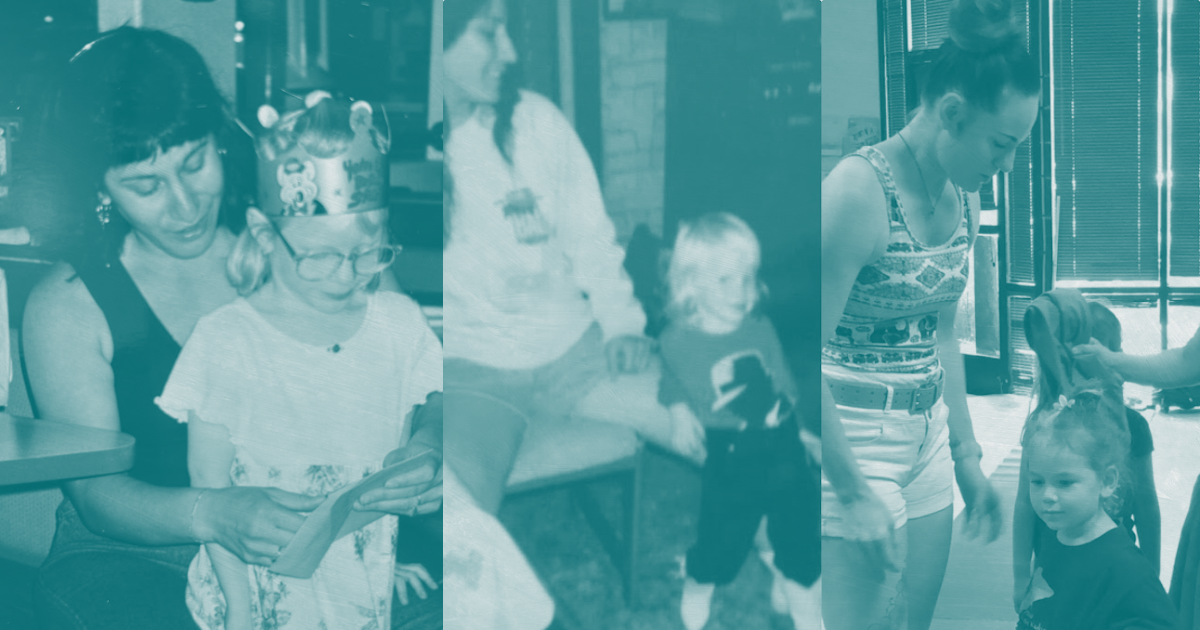
At Hawaiian Diaspora, we believe every part of our lāhui (nation, people) deserves to be seen, including those living with disabilities. We asked Kaleikaumaka Najera, a proud Kanaka Maoli (Native Hawaiian) advocate and academic based in Southern California, to share more on what comes up for her as a Hawaiian living with disabilities. Kaleikaumaka lives with oculocutaneous albinism type 2 (OCA2), ADHD, and autism, and she is determined to make sure disabled Hawaiians are seen within our lāhui. We asked her three questions. Here is what she shared.
______________________________________________________________________________________
How does disability show up in your life, and how has it shaped who you are as a Native Hawaiian?
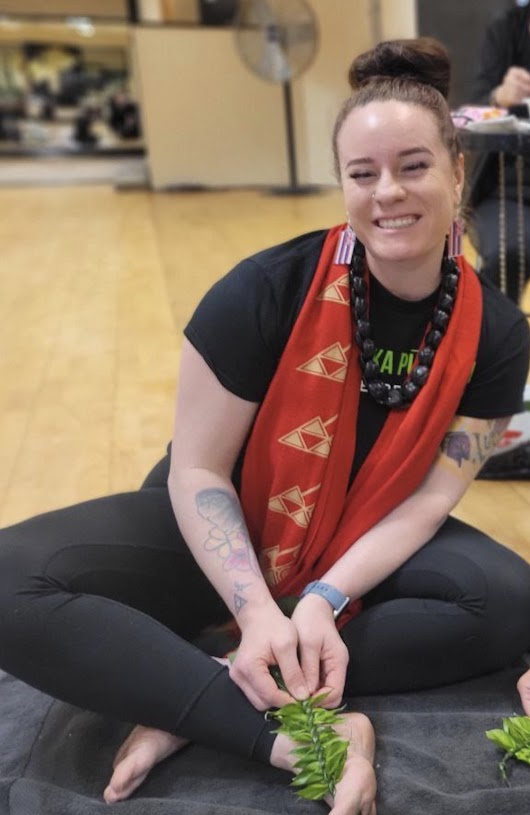
I am a proud Native Hawaiian with albinism (oculocutaneous albinism type 2 [OCA2]), a rare genetic condition that prevents the production of melanin (pigment) in the skin, hair, and eyes. This results in the inability to tan and low vision with photophobia (extreme eye sensitivity to light). I am also neurodivergent, having ADHD and being on the autism spectrum — which were not diagnosed until I was an adult.
Having such pale skin from the lack of pigment makes me an obvious target for disbelief in my being a Kanaka Maoli from other Native Hawaiians and non-Hawaiians alike. Being physically unable to get the coveted islander tan, instead running a much higher risk for skin cancer if I attempted to try, and being so sensitive to the brightness of the outdoors, can limit my time outside and require a lot more protective measures: constantly applying sunscreen, covering up more skin, wearing hats, always wearing sunglasses, and needing to find refuge in shaded places.
Being a Native Hawaiian with exceptionally poor eyesight and a brain that operates differently has also required a lifetime of learning how to adapt and mask to make other Hawaiians comfortable. The need for accommodations to make learning, or straight up just being able to see, in cultural learning situations, such as hālau and other hula spaces for example, are absolutely unheard of — with exceptions only for kūpuna.
My disabilities have taught me that being Hawaiian is often about…maintaining certain appearances and performing Hawaiianness to others' expectations.
How has your community shown up for you, and what do you wish more people understood about living with albinism in Hawaiian/Pasifika spaces?
I go hard for my community and my community goes hard for me! I am loved and accepted, and my differences and refusal to feel shame or shy away from them, often inadvertently, empowers and encourages others.
Within the broader lāhui…seemingly not so much…In Aotearoa, there are words to describe both autism and albinism in te reo Māori: takiwātanga and kōrako. In Sāmoa, terms otisi and kekea in gagana Sāmoa can be applied to those with autism and albinism. There are no established, meaningful and specific words for autism and albinism ma ka ʻŌlelo Hawaiʻi.
When language has the power to shape our thoughts and the world around us, a lack of words is harmful. It means the unnamed thing lacks value, representation, education, adequate resources, and community support.
Is there a moment, a word, or a teaching from our culture that has grounded you in how you move through the world?
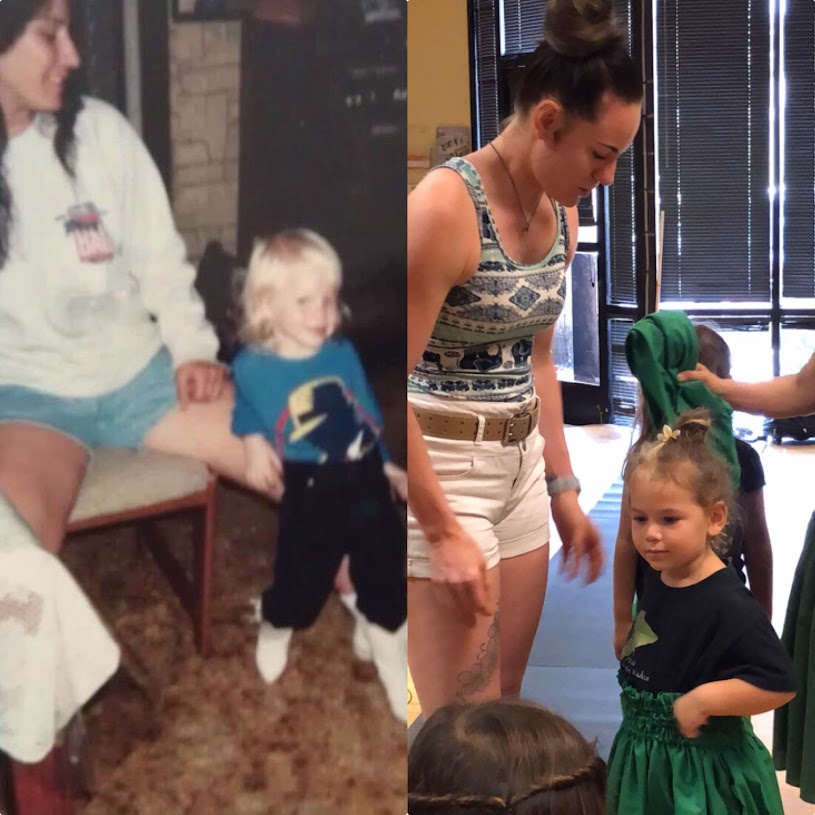
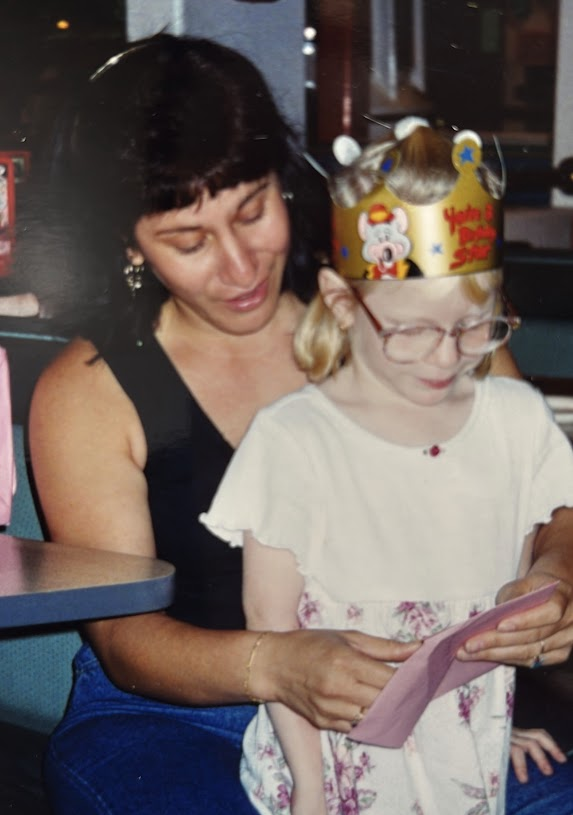
I was born in diaspora and raised in diaspora by my very proud Hawaiian grandparents. Papa and Gramma Elderts, who have both transitioned to pō, made sure to ground me in my Hawaiian identity from as early as I can remember. Me having albinism did not make me any less Hawaiian in my grandparents' eyes.
Kūpuna sent: I believe, confirmed through waking hōʻailona and visits in my dreams, that my kūpuna prayed for me to be exactly the way I am to shake things up and bring about change. For a people who have always been remarkably forward-thinking and adaptable, there is no reason Native Hawaiians with disabilities shouldn't have the same opportunities and representation within the lāhui, whether in Hawaiʻi or the diaspora.
______________________________________________________________________________________
If you are a Hawaiian living with disabilities, we want to hear from you. Your story and experiences matter.
Take our short, anonymous survey here.